
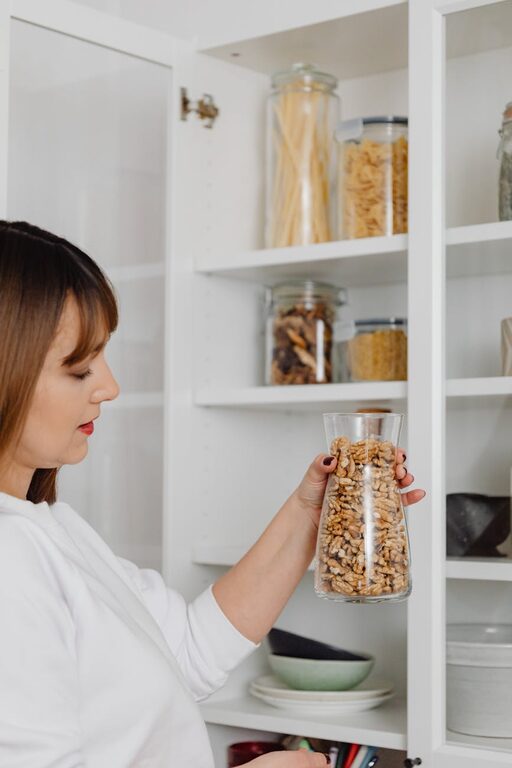
Keeping your fridge and pantry tidy not only helps you find what you need quickly but also reduces food waste and saves money. A well-organized kitchen space can make meal prep smoother and more enjoyable. Whether you have a spacious kitchen or a cozy one, these tips will help you maintain order in your fridge and pantry with ease.
Why Keeping Your Fridge and Pantry Organized Matters
When your fridge and pantry are cluttered, food can get forgotten, spoil, or get lost behind other items. This can lead to unnecessary trips to the store and wasted ingredients. An organized kitchen space:
– Makes meal planning easier
– Helps maintain food freshness
– Saves time looking for items
– Reduces stress around cooking and shopping
How to Organize Your Pantry Effectively
1. Sort and Declutter
Start by removing everything from your pantry. Check expiration dates and toss anything expired or stale. Group similar items—like canned goods, baking supplies, snacks, and grains—together.
2. Use Clear Containers and Labels
Transfer dry goods such as flour, sugar, rice, and pasta into clear airtight containers. This keeps items fresh longer and reduces packaging clutter. Label each container clearly for easy identification.
3. Optimize Shelf Space
Adjust shelves if possible to create spaces suited to the size of your items. Use baskets or bins to contain smaller packets or snacks and stack items like cans using organizers designed for stability.
4. Keep Frequently Used Items Accessible
Store everyday essentials at eye level or in easily reachable areas. Less common ingredients or bulk items can go on higher or lower shelves.
5. Maintain a System
Create categories that work for your household, and maintain them consistently. For example, keep all breakfast items in one section and baking ingredients in another to keep things orderly.
Tips for a Neat and Fresh Fridge
1. Clean and Declutter Regularly
Empty your fridge once a week or every two weeks to inspect contents. Throw out expired or spoiled food, wipe down shelves, and keep an inventory list on the door to track what you have.
2. Use Clear Storage Containers
Invest in stackable, clear containers for leftovers and meal prep items. This prevents spills, keeps foods fresh longer, and allows you to see what you have at a glance.
3. Store Food in Zones
Assign parts of your fridge for specific types of foods:
– Top shelves: ready-to-eat items like leftovers, drinks, and deli meats
– Middle shelves: dairy products and eggs
– Bottom shelves: raw meats (stored on a tray to catch drips)
– Drawers: fruits and vegetables — keep them separated to maintain freshness longer
4. Use Fridge Organizers
Use bins and trays to group smaller items like condiments, yogurt cups, or snack packs. This keeps them from cluttering the shelves and makes cleaning easier.
5. Keep Temperature in Check
Set your fridge temperature between 37–40°F (3–4°C) and freezer at 0°F (-18°C) to preserve food quality safely.
Bonus Tips for Both Spaces
Plan Your Shopping
Write a shopping list based on what you need to restock, avoiding duplicate purchases. This helps keep both your pantry and fridge from becoming overcrowded.
Practice FIFO: First In, First Out
When adding new groceries, place older items in front and newer ones in the back to ensure you use older food before it expires.
Regular Maintenance
Spend 5–10 minutes weekly tidying up your pantry and fridge. Small, frequent cleanups prevent bigger messes.
Keep Cleaning Supplies Handy
Store a small cleaning kit nearby for quick wipe-downs of spills or stains in both your fridge and pantry.
Conclusion
A tidy fridge and pantry create a functional, pleasant kitchen environment that supports healthy cooking habits and minimizes stress. By decluttering regularly, using clear storage solutions, and maintaining organized zones, you’ll enjoy a kitchen space that works smarter for you. Try integrating these habits into your routine, and you’ll be surprised how much easier meal times become!
Happy organizing!