
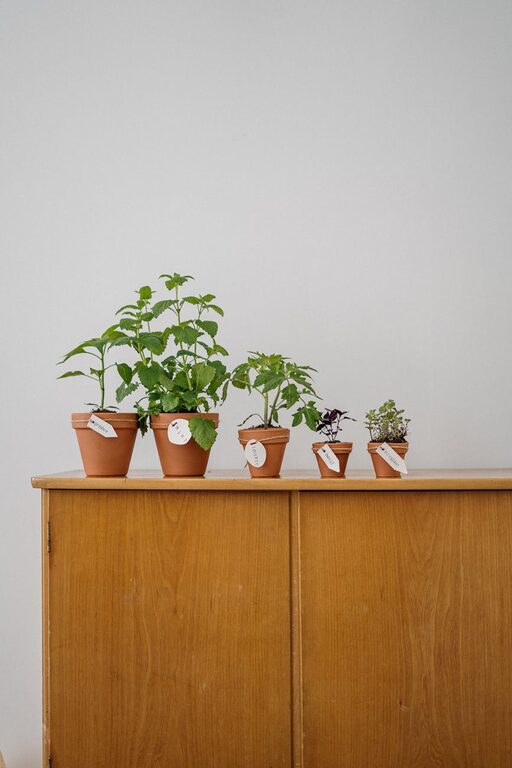
Starting a small herb garden indoors is a wonderful way to bring freshness into your kitchen and life. Not only do herbs add flavor to your meals, but they also brighten up indoor spaces and can improve air quality. Whether you have a sunny windowsill or a small corner in your kitchen, growing herbs indoors is achievable with just a few tools and some care. This guide will walk you through the basics of starting your own indoor herb garden, from selecting the right herbs to maintaining them throughout the year.
Why Grow Herbs Indoors?
Indoor herb gardens offer many benefits:
– Fresh herbs available year-round
– Convenience to snip herbs while cooking
– Saves money compared to buying fresh herbs
– Adds natural beauty and a pleasant aroma to your home
– Suitable for small spaces and apartments
Choosing the Right Herbs for Indoors
Not all herbs suit indoor growing equally well. Some thrive better under indoor conditions than others. Here are some popular and easy-to-grow choices:
Best Herbs for Indoor Gardens
– Basil: Loves warmth and sunlight; great for pesto and salads.
– Parsley: Adaptable and easy to grow; rich in vitamins.
– Chives: Hardy and require less sunlight; great garnish.
– Mint: Grows quickly but can spread aggressively—use a separate pot.
– Thyme: Small leaves and woody stems; requires moderate light.
– Cilantro: Prefers cooler temperatures; grows fast but can bolt.
– Oregano: Likes bright light and well-drained soil.
Tips for Selecting Herbs
– Start with 2-3 herb varieties you use most often.
– Choose herbs with similar watering and light needs to make care easier.
– Consider the size of your space and use compact varieties when possible.
Picking the Right Containers and Soil
Containers
Herbs need good drainage to prevent root rot. Here’s what to consider:
– Size: Small to medium pots (4-6 inches deep) work well.
– Material: Terracotta pots allow breathability; plastic pots retain moisture longer.
– Drainage: Ensure pots have drainage holes at the bottom.
Soil
Use a well-draining potting mix designed for indoor plants or herbs. Avoid regular garden soil, which can be too heavy and may carry pests.
Best Location and Light Requirements
Most herbs require at least 6 hours of sunlight daily.
Ideal Spots
– Bright south or west-facing windowsill
– A balcony or enclosed porch with adequate light
– Undergrow lights if natural light is limited
Grow Light Tips
If your home doesn’t get enough natural light, a full-spectrum LED grow light can help herbs thrive. Keep the light 6-12 inches above plants, and keep it on for about 12-16 hours per day.
Planting Your Herb Garden
From Seeds or Starter Plants?
– Seeds: More affordable and offer variety but take longer to establish.
– Starter Plants: Convenient and faster to harvest but slightly more expensive.
How to Plant
- Fill your container with potting soil, leaving about an inch at the top.
- Water the soil lightly before planting.
- If starting from seeds, plant them at the depth recommended on the packet.
- If using starter plants, gently loosen the roots before planting.
- Water again after planting.
Caring for Your Indoor Herb Garden
Watering
– Herbs prefer slightly moist soil but not soggy.
– Generally, water when the top inch of soil feels dry.
– Mint and basil like more frequent watering, while thyme and oregano prefer drier soil.
– Use a spray bottle for delicate seedlings.
Feeding
– Use a balanced, water-soluble fertilizer once a month.
– Avoid over-fertilizing as it can reduce flavor intensity.
Pruning and Harvesting
– Regular pruning encourages bushier growth.
– Pinch off flower buds to focus energy on leaf production.
– Harvest leaves from the top to promote new growth.
– Try to never remove more than one-third of a plant at once.
Monitoring Health
– Look for signs of pests such as aphids or spider mites.
– Use natural remedies like neem oil or soapy water sprays if needed.
– Ensure good air circulation to prevent fungal diseases.
Troubleshooting Common Issues
| Problem | Cause | Solution |
|———————|——————————-|————————————|
| Wilting leaves | Underwatering or root rot | Check soil moisture; improve drainage |
| Yellowing leaves | Overwatering or lack of nutrients | Adjust watering; add fertilizer |
| Leggy plants | Insufficient light | Move to brighter spot or use grow light |
| Pests | Insects attracted to herbs | Treat with natural insecticides; isolate plants |
Expanding Your Indoor Garden
Once comfortable growing a few herbs, consider:
– Adding small vegetables like cherry tomatoes or peppers
– Growing microgreens for quick harvests
– Creating a vertical garden with stacked shelves or wall planters
Final Tips for Success
– Rotate your plants occasionally to ensure even light exposure.
– Keep a watering schedule to avoid forgetting.
– Experiment with different herbs to find your favorites.
– Enjoy the process—gardening indoors is a relaxing and rewarding hobby!
Starting a small herb garden indoors is simple with the right preparation and care. Soon, you’ll have fresh, tasty herbs at your fingertips, brightening your cooking and your home. Happy gardening!