
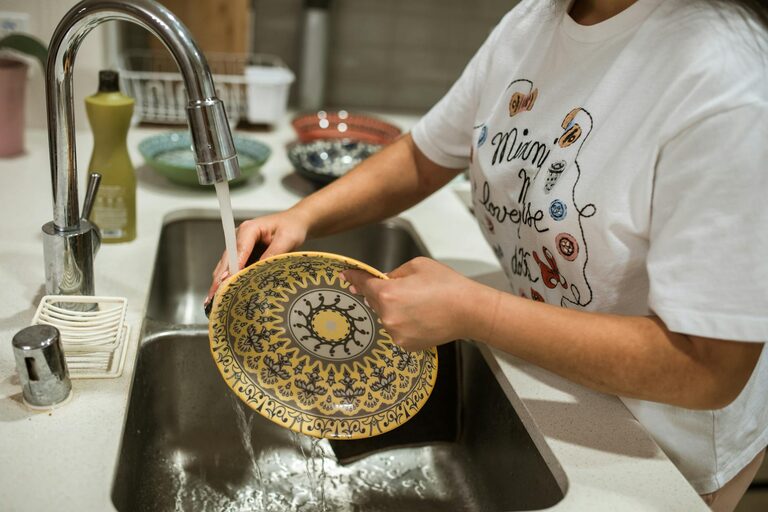
Making dinner is a daily ritual for many households, but the cleanup afterward can often feel like a daunting task. Washing piles of dishes, scrubbing pans, and tidying the kitchen can quickly turn an enjoyable evening into a chore. Thankfully, with a few smart strategies and habits, you can simplify your dinner cleanup routine and save time and energy.
In this post, we’ll share practical ideas you can apply right away to make after-dinner cleanup easier and more efficient. Whether you’re cooking for one or a family, these tips will help you maintain a cleaner kitchen and reclaim your evening.
Plan Ahead: The Key to Easy Cleanup
Preparation doesn’t just apply to cooking; it plays a huge role in how much time you’ll spend cleaning afterwards.
Use Fewer Dishes and Tools
Before you start cooking, consider the tools and dishes you’ll need. Aim to use one pot or pan for multiple steps or dishes when possible. For example, a stir-fry can be cooked entirely in one skillet. Using fewer items means less washing later.
Prep Ingredients Wisely
Cutting vegetables on a single cutting board or using bowls that can go straight into the dishwasher reduces clutter. Also, if you’re using measuring cups or spoons multiple times, try to rinse them immediately after use to prevent sticky or dried-on messes.
Line Baking Sheets and Pans
Using parchment paper, aluminum foil, or silicone baking mats on pans makes them much easier to clean. Instead of scrubbing stuck-on food, you can simply toss the liner or give the pan a quick wipe.
Adopt Smart Cooking Techniques
The way you cook can influence how messy your kitchen gets.
One-Pot or One-Pan Meals
Recipes that combine all ingredients into one cooking vessel reduce the number of dishes. Soups, casseroles, sheet pan dinners, and stir-fries are great examples.
Use Slow Cookers or Instant Pots
These appliances often require minimal pots and pans and make cooking hands-off. Plus, many slow cooker inserts are dishwasher safe, simplifying cleanup.
Clean as You Go
Washing utensils, bowls, and cutting boards during idle moments in your cooking process can prevent a pile-up at the end. It might feel like multitasking, but it significantly reduces your post-meal workload.
Organize Your Cleanup Routine
Making cleanup systematic will help it feel less overwhelming.
Clear the Table Immediately
Once everyone finishes eating, clear plates, glasses, and utensils to the sink or dishwasher. This prevents clutter from spreading and keeps your dining space tidy.
Soak Tough Cookware
Fill pots and pans with warm, soapy water and let them soak while you eat or relax. Soaking makes scrubbing easier and reduces the effort needed to remove stuck food.
Load the Dishwasher Efficiently
Place dishes, bowls, and utensils strategically to maximize space and cleaning effectiveness. Run the dishwasher when fully loaded to save water and energy.
Keep Cleaning Supplies Handy
Have sponges, dish soap, and drying towels within easy reach to encourage quick wiping and washing. Consider using gloves to protect your hands and make scrubbing less unpleasant.
Use Time-Saving Tools
Certain kitchen tools and gadgets can reduce the effort needed during cleanup.
Dishwasher
A good dishwasher is one of the best investments for speeding up cleaning. Ensure you maintain and clean it regularly for optimal performance.
Silicone Utensils and Mats
Unlike wooden or metal tools, silicone is easy to clean, doesn’t stain, and can go in the dishwasher.
Blender Jars and Food Processors with Easy-Clean Features
Look for appliances designed for quick disassembly and easy washing.
Involve the Whole Household
Sharing the cleanup responsibility lightens the burden and can turn tidying up into a social activity.
Assign Tasks
Whether it’s rinsing dishes, loading the dishwasher, or wiping counters, giving family members specific tasks makes the process faster.
Make It Fun
Play music, set a timer, or have friendly cleanup competitions to motivate everyone, including kids.
Establish a Cleanup Routine
Consistency helps build habits. Decide on a cleanup plan that fits your schedule and stick to it.
Keep Your Kitchen Organized
An organized kitchen is easier to clean and less likely to become a mess.
Declutter Counters and Cabinets
Store away seldom-used items so that counters are free from unnecessary clutter, making wiping surfaces quicker.
Use Storage Containers
Store leftovers in labeled airtight containers to reduce spills and messes.
Regularly Empty the Trash and Recycling
Overflowing bins can make cleanup unpleasant and increase smells.
Final Thoughts
Dinner cleanup doesn’t have to be a dreaded task. With thoughtful planning, efficient cooking methods, a clear routine, and cooperation from your household, you can significantly reduce the time and effort cleanup requires. Try implementing one or two of these ideas at a time to find what works best for your kitchen and lifestyle. Soon, the after-dinner mess will feel manageable, allowing you to relax and enjoy your evening.
Happy cooking and cleaning!